
Is a horizontal machining center better than a vertical one for large parts?
When processing large workpieces weighing over 2 tons and with dimensions greater than 2 meters, the advantage of a horizontal machining center is like providing a dedicated rotating stage for the parts. Its horizontal spindle structure, in combination with the CNC rotary table, can complete the processing of five surfaces at one time, reducing the repeat positioning error from ±0.01 millimeters in the vertical type to ±0.002 millimeters. According to the practical data of Sany Heavy Industry in the production of excavator frames, by adopting horizontal equipment, the process that originally required three vertical machine tools and a total of 18 hours was integrated into one device, reducing the processing cycle by 40% and improving the accuracy consistency by 25%.
In terms of chip removal efficiency, horizontal machining centers rely on the principle of natural chip removal by gravity to increase the removal rate of cutting residues to over 98%, while vertical equipment usually requires the assistance of a high-pressure chip flushing system. The analysis report of German machine tool manufacturer TrumPF Group indicates that when processing large cast iron bases, the horizontal chip removal scheme can reduce tool wear caused by chip accumulation by 30%, and compress the cleaning time per shift from 45 minutes to 10 minutes, directly increasing equipment utilization by approximately 15%.
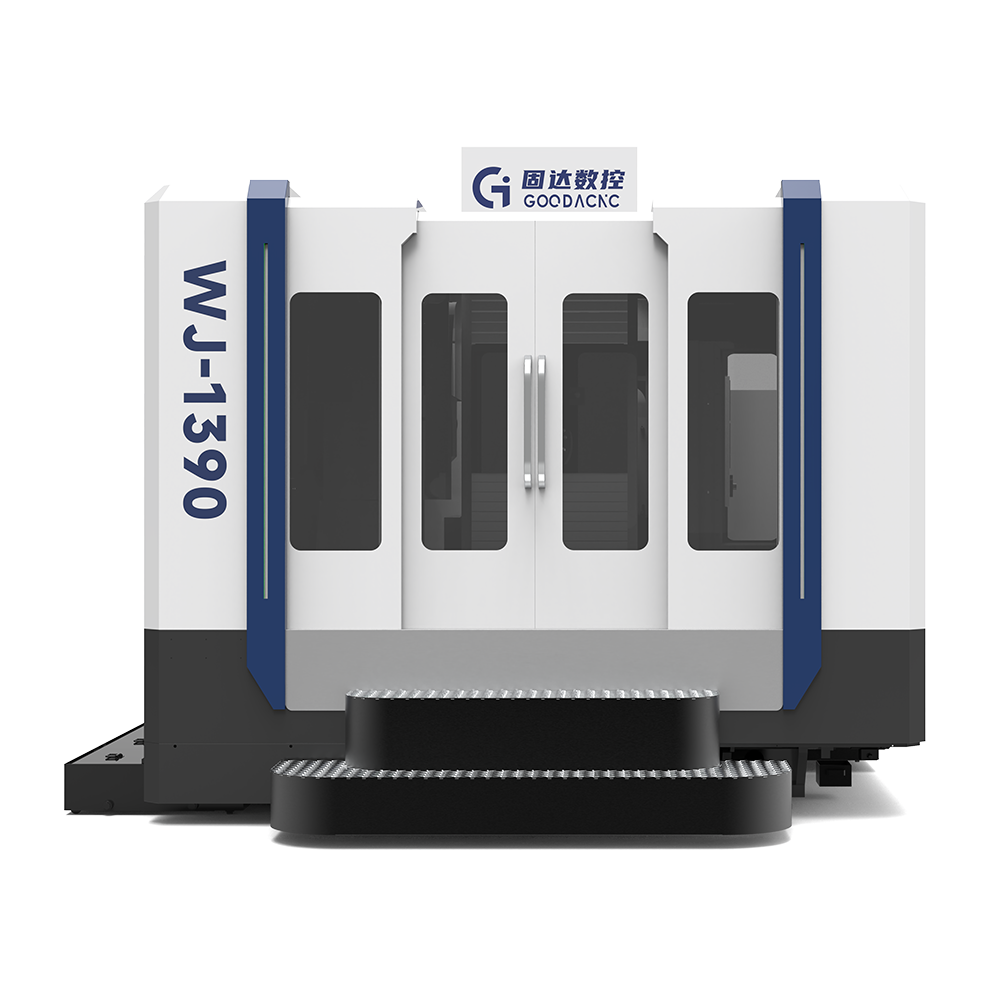 For the cavity processing of large molds, the gravity direction of the spindle of the horizontal machining center is perpendicular to the worktable, effectively avoiding the tool deflection phenomenon caused by excessive overhang of the vertical spindle. In the manufacturing of automotive body panel molds, measured data shows that horizontal equipment can control the surface waviness within 0.8 microns during side wall milling, while vertical equipment has a fluctuation range of 2.5 microns under the same parameters. This stability has reduced the working hours for mold polishing by 50%. According to statistics from Haier's mold workshop, the manufacturing cost of a single set of molds has decreased by 120,000 yuan.
From the perspective of full life cycle cost analysis, although the purchase price of horizontal machining centers of the same specification is about 30% higher than that of vertical ones, their comprehensive benefits in the field of large parts are more significant. During the renovation of the high-speed rail gearbox production line, CRRC Group found that after replacing five vertical machines with three horizontal ones, the workshop floor space was reduced by 25%, the number of operators was cut from 12 to 6, and the product delivery qualification rate jumped from 97.5% to 99.6%. The payback period of this project is only 28 months, with an annualized rate of return reaching 42%.
With the upgrading of intelligent manufacturing, modern horizontal machining centers integrate online measurement systems, which can provide real-time compensation for large workpieces during processing. Boeing of the United States has verified in the processing of its aircraft wing ribs that this technology has increased the thermal deformation compensation accuracy to 0.003 millimeters per degree Celsius, reducing the processing accuracy fluctuation range of 8-meter-long aviation aluminum alloy components by 60%. This technological evolution is constantly strengthening the irreplaceable position of horizontal machining centers in the manufacturing of large and complex components.
For the cavity processing of large molds, the gravity direction of the spindle of the horizontal machining center is perpendicular to the worktable, effectively avoiding the tool deflection phenomenon caused by excessive overhang of the vertical spindle. In the manufacturing of automotive body panel molds, measured data shows that horizontal equipment can control the surface waviness within 0.8 microns during side wall milling, while vertical equipment has a fluctuation range of 2.5 microns under the same parameters. This stability has reduced the working hours for mold polishing by 50%. According to statistics from Haier's mold workshop, the manufacturing cost of a single set of molds has decreased by 120,000 yuan.
From the perspective of full life cycle cost analysis, although the purchase price of horizontal machining centers of the same specification is about 30% higher than that of vertical ones, their comprehensive benefits in the field of large parts are more significant. During the renovation of the high-speed rail gearbox production line, CRRC Group found that after replacing five vertical machines with three horizontal ones, the workshop floor space was reduced by 25%, the number of operators was cut from 12 to 6, and the product delivery qualification rate jumped from 97.5% to 99.6%. The payback period of this project is only 28 months, with an annualized rate of return reaching 42%.
With the upgrading of intelligent manufacturing, modern horizontal machining centers integrate online measurement systems, which can provide real-time compensation for large workpieces during processing. Boeing of the United States has verified in the processing of its aircraft wing ribs that this technology has increased the thermal deformation compensation accuracy to 0.003 millimeters per degree Celsius, reducing the processing accuracy fluctuation range of 8-meter-long aviation aluminum alloy components by 60%. This technological evolution is constantly strengthening the irreplaceable position of horizontal machining centers in the manufacturing of large and complex components.
For the cavity processing of large molds, the gravity direction of the spindle of the horizontal machining center is perpendicular to the worktable, effectively avoiding the tool deflection phenomenon caused by excessive overhang of the vertical spindle. In the manufacturing of automotive body panel molds, measured data shows that horizontal equipment can control the surface waviness within 0.8 microns during side wall milling, while vertical equipment has a fluctuation range of 2.5 microns under the same parameters. This stability has reduced the working hours for mold polishing by 50%. According to statistics from Haier's mold workshop, the manufacturing cost of a single set of molds has decreased by 120,000 yuan.
From the perspective of full life cycle cost analysis, although the purchase price of horizontal machining centers of the same specification is about 30% higher than that of vertical ones, their comprehensive benefits in the field of large parts are more significant. During the renovation of the high-speed rail gearbox production line, CRRC Group found that after replacing five vertical machines with three horizontal ones, the workshop floor space was reduced by 25%, the number of operators was cut from 12 to 6, and the product delivery qualification rate jumped from 97.5% to 99.6%. The payback period of this project is only 28 months, with an annualized rate of return reaching 42%.
With the upgrading of intelligent manufacturing, modern horizontal machining centers integrate online measurement systems, which can provide real-time compensation for large workpieces during processing. Boeing of the United States has verified in the processing of its aircraft wing ribs that this technology has increased the thermal deformation compensation accuracy to 0.003 millimeters per degree Celsius, reducing the processing accuracy fluctuation range of 8-meter-long aviation aluminum alloy components by 60%. This technological evolution is constantly strengthening the irreplaceable position of horizontal machining centers in the manufacturing of large and complex components.
Poursuivre l'expérience