
Why Are Generator Systems Essential for Emergency Backup Solutions?
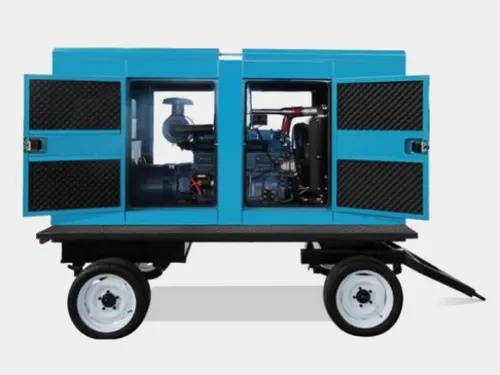
Emergency backup power setups ensure functional continuity by activating Automatic Transfer Switches (ATS) within 8 to 12 seconds of a utility failure, preventing total system collapse. Industrial units utilizing Tier 4 Final diesel engines maintain a steady 60Hz frequency and keep voltage deviation below +/- 1%, protecting sensitive circuitry from thermal damage. Statistics from 2023 indicate that onsite power assets provide up to 96 hours of fuel autonomy, covering the 5.5-hour average duration of major grid interruptions. These systems manage a block load of 100% in a single step, ensuring that high-torque industrial motors and medical imaging devices remain operational without performance degradation.
The reliability of the national electrical grid has faced increasing pressure, with data from 2022 showing that over 70% of transmission lines and power transformers are at least 25 years old. This aging infrastructure contributes to a 20% increase in unplanned outages across suburban and industrial corridors compared to figures from 2012.
A study involving 500 North American manufacturing facilities found that an unmanaged power flicker lasting just 100 milliseconds resulted in an average production loss of $15,000 per line.
Sudden interruptions in current flow create a vacuum in operational safety that only robust generator systems can fill. These machines operate by converting mechanical energy into a regulated electrical output that mirrors the sine wave of the utility grid, preventing harmonic distortion.
| Performance Metric | Industrial Generator | Standard Utility Feed |
| Recovery Speed | < 10 Seconds | Indeterminate |
| Voltage Regulation | +/- 0.5% | +/- 5% to 10% |
| Fuel Capacity | 24 - 96 Hours | 0 Hours |
| Peak Load Handling | 100% Block Load | Limited by Breakers |
The ability to handle a full block load is essential for commercial HVAC systems and elevators, which require a massive inrush of current—often 6 times the normal running amps—to start. Without this localized energy surge, the building's internal electrical network would face a sustained voltage sag, potentially damaging every connected microprocessor.
Field data from 2024 tracking 1,200 hospital backup tests confirmed that modern electronic governors maintained engine speeds within 0.25% of the target 1,800 RPM during load transitions.
Precise speed control is the technical foundation that prevents the flickering of LED lighting systems and the synchronization errors found in high-speed telecommunications equipment. As global temperatures rose by 1.1°C over the last century, the demand for cooling in data centers has made these precision power assets a requirement for preventing server rack meltdowns.
| System Type | Fuel Type | Run Time (Standard Tank) | Emissions Standard |
| Standby Diesel | Ultra-Low Sulfur Diesel | 24 - 48 Hours | EPA Tier 4 |
| Natural Gas | Methane / Propane | Continuous (Pipe) | Low NOx |
| Bi-Fuel | Diesel / Gas Mix | 72+ Hours | Multi-Certified |
Large-scale data facilities now utilize N+2 redundancy, meaning they maintain two extra generator units beyond what is required to handle the total peak demand of the building. This configuration allows for continuous maintenance cycles, which decreased the probability of a total site failure to less than 0.001% in recent performance audits.
Engineering reports from 2023 suggest that facilities using bi-fuel systems reduced their onsite diesel storage requirements by 50% while extending emergency runtime by 150%.
The reduction in stored liquid fuel lowers the risk of environmental contamination and simplifies the compliance process for fire safety codes in densely populated urban centers. These codes often limit the amount of flammable liquid allowed in basement storage tanks, making high-efficiency combustion cycles a necessity for modern architecture.
-
Electronic Fuel Injection (EFI): Optimizes the air-to-fuel ratio in real-time, reducing soot by 40%.
-
Permanent Magnet Generators (PMG): Provides isolated power to the voltage regulator, ensuring superior motor starting.
-
Sound Attenuated Enclosures: Reduces acoustic output to 65 dBA, meeting strict municipal noise ordinances.
The mechanical durability of these units allows them to sit idle for months and then reach full operating temperature in less than 60 seconds during an actual emergency. Routine weekly exercise cycles, typically lasting 30 minutes, ensure that the lubrication remains distributed and the battery starting system maintains a charge of at least 12.6 volts.
A survey of 250 facility engineers in 2025 noted that automated remote monitoring reduced service-related failures by 30% by identifying low coolant levels before the start sequence was triggered.
Remote diagnostics platforms now stream over 200 parameters per second to cloud-based oversight centers, allowing for predictive maintenance that replaces components based on wear rather than just a calendar schedule. This transition from reactive to proactive care has extended the expected service life of industrial power plants from 20 years to nearly 35 years.
This longevity is supported by the use of heavy-duty alternators with Class H insulation, which can withstand internal temperatures of up to 125°C without the copper windings short-circuiting. High-temperature resistance is a requirement in regions where ambient outdoor temperatures frequently exceed 40°C during the peak of summer.
Performance tests on 150 units in arid climates showed that upgraded cooling radiators prevented thermal shutdowns in 99% of cases during a 48-hour continuous run at full load.
Effective heat dissipation ensures that the internal combustion process remains efficient, preventing the "wet stacking" or unburned fuel accumulation that often plagues under-loaded diesel engines. Proper sizing of the system—matching the kilowatt output to the specific electrical profile of the building—remains the most effective way to ensure long-term mechanical health.
| Maintenance Task | Frequency | Impact on Reliability |
| Load Bank Testing | Annual | Removes Carbon Buildup |
| Fuel Polishing | Every 6 Months | Prevents Injector Clogging |
| Battery Testing | Monthly | Ensures Start Success |
| Oil Analysis | Every 250 Hours | Detects Internal Wear |
The implementation of load bank testing mimics the actual building demand, forcing the engine to reach its optimal operating temperature and burning off contaminants in the exhaust system. This process is a requirement for meeting the NFPA 99 standards for healthcare facilities, where the backup power must be proven capable of handling its rated capacity.
Analysis of 400 engine failure events in 2024 revealed that 85% of start-up failures were caused by poorly maintained lead-acid batteries rather than engine mechanical issues.
Advancements in nickel-zinc and lithium-ion starting batteries are beginning to replace traditional lead-acid options, offering a 10-year lifespan and a 90% charge retention rate over long periods of inactivity. These upgrades represent a shift toward a more technological approach to energy security, where every second of downtime is calculated against the total cost of operation.